


Agentic AI,
Artificial Intelligence & Machine Learning,
Governance & Risk Management
New Plugins Propel AI Beyond Coding Deeper Into Enterprise Workflows
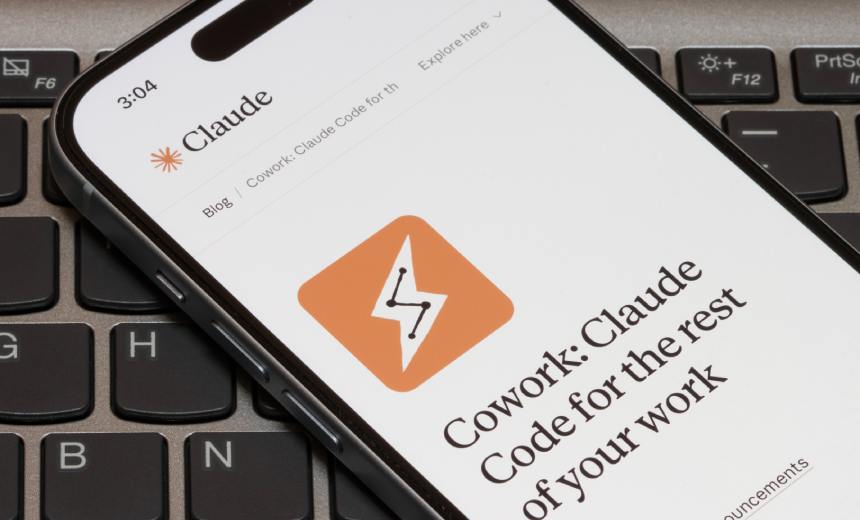
This week, Anthropic unveiled additional Claude Cowork plugins aimed at enhancing enterprise workflows, marking a notable step forward in the artificial intelligence landscape. This initiative aligns with the company’s objective to redefine workplace dynamics, similar to its earlier impact on perceptions within the software market.
The new developments indicate Anthropic’s robust commitment to enterprise AI, extending its functionalities into vital business sectors such as marketing, HR, legal, and finance. For CIOs, while the broader landscape is unlikely to transform instantaneously, this trend highlights a shift in where AI can derive value within enterprises and who has the capability to leverage it.
Traditionally, AI’s most prominent use in enterprises has centered around the software development lifecycle, improving productivity in coding, testing, and system architecture. However, Claude Cowork’s latest features aim to expand this model beyond engineering teams, providing capabilities applicable across the entire organization.
Though Anthropic refers to these as “plugins,” it is important to clarify that they differ from conventional software plugins. They represent configurable AI workflow “skills” that engage users through natural language and can be tailored for diverse tasks, such as analyzing spreadsheets, responding to emails, developing marketing strategies, and integrating with systems like Salesforce for complex workflows.
This ability empowers business units to establish their own automation layers independently of IT departments, fundamentally changing the roles within organizations. As noted by Diego Lo Giudice, a vice president at Forrester, “It’s not just a tool for developers anymore. There are numerous use cases outside the software development process that will reshape how enterprises operate.”
The software-as-a-service (SaaS) market is poised for significant disruption, particularly among smaller, niche players that may struggle to compete as clients directly integrate Claude into their systems for creating workflows. Lo Giudice cautions that while larger platforms such as Salesforce may not be supplanted, the demand for smaller SaaS solutions could diminish.
As CIOs evaluate their software stacks, they may face increasing pressure to consolidate tools, considering how an AI-driven workflow could replace certain applications. However, the rapid evolution of AI also presents substantial risks, necessitating a careful approach as organizations adopt these innovations.
The plugins depend on natural language commands, which may introduce vulnerabilities such as prompt injection and unsafe API access. CIOs should approach internal plugin libraries with the same rigor as production code, implementing strict access controls and vetting reusable workflows. Lo Giudice emphasizes the necessity of strong governance in managing these technologies effectively.
In light of the fast-paced developments in AI and the market, CIOs are advised to restrain from making long-term commitments to comprehensive AI solutions. Experimentation with tools like Claude Cowork on a smaller scale is recommended, focusing on specific, limited use cases rather than attempting to overhaul existing platforms. Security considerations must remain paramount, and organizations should consistently assess the AI roadmaps of their vendors to stay ahead of potential challenges.
As the technological landscape continues to shift, organizational culture must also adapt to keep pace. Long-term decisions made in haste could lead to miscalculations in a rapidly evolving arena, making agility and informed evaluations crucial for success.