


Critical Infrastructure Security,
Governance & Risk Management,
Operational Technology (OT)
Geopolitical Tensions Heighten Risk to Operational Technology from State Actors and Cybercriminals
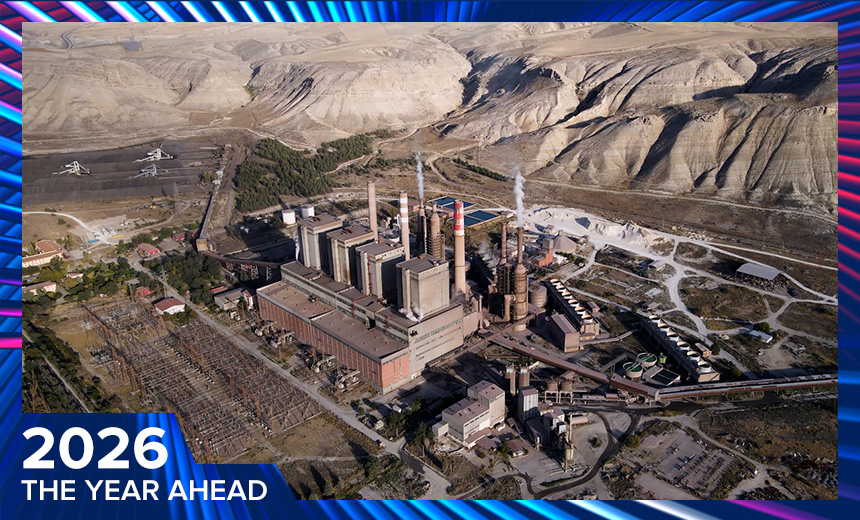
Experts warn of an alarming increase in cyberattacks targeting critical infrastructure, with operational technology systems at particular risk. Nation-state actors are evolving their tactics from merely exfiltrating data to inflicting damage and operational disruption, a trend that poses significant risks to U.S. businesses.
The discussion around these threats has been spearheaded by ISMG’s Tony Morbin, who has gathered insights from defense officials, cybersecurity professionals, industry vendors, and analysts to shed light on the perilous landscape currently facing enterprise security across various sectors. As geopolitical tensions rise, the consensus is that subsequent cyber hostilities will closely align with ongoing conflicts, thereby embedding themselves into modern warfare.
“We’re witnessing a notable increase in hybrid warfare strategies that directly impact critical infrastructure,” stated Steve Rumbold, managing director for enterprise security risk management at Kroll. This sentiment echoes the wider industry concern that adversaries are constantly refining their tactics.
A recent panel discussion hosted by Information Security Media Group addressed vital questions regarding the security of critical infrastructure. Participants evaluated the severity of the threat landscape and identified key vulnerabilities that attackers are exploiting. They also debated responses, highlighting best practices for defending operational technology systems and minimizing risk.
The panel included a roster of notable experts, including Blaise Metreweli from MI6, Steve Rumbold from Kroll, and several others including representatives from the FBI and leading cybersecurity firms. Their collective insights emphasized the urgency of proactive measures and enhanced vigilance against potential intrusions.
The findings correlate with tactics outlined in the MITRE ATT&CK framework, suggesting that adversaries may employ techniques related to initial access and privilege escalation, which could facilitate their intrusions into targeted systems. This analytical framework provides a clearer understanding of the threats at hand and underscores the necessity for businesses to heighten their security postures to safeguard against these evolving challenges.
As the cyber threat landscape continues to evolve, the forthcoming years promise to be pivotal for organizations relying on critical infrastructure. Staying informed and adopting robust cybersecurity strategies will be essential for mitigating risks associated with both state-sponsored and independent cybercriminal activities.