


Artificial Intelligence & Machine Learning,
Governance & Risk Management,
IT Risk Management
Expert Warning: Power Capacity Expands While 26% of Projects Suffer Delays
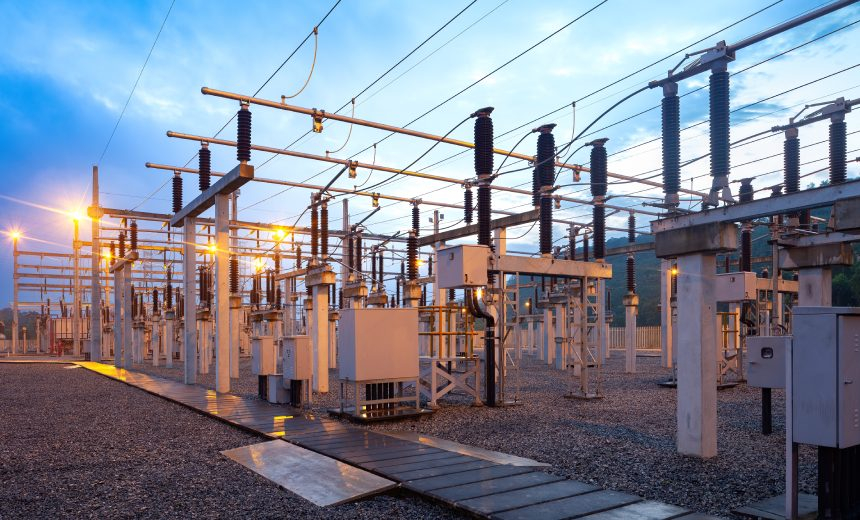
The promise of enterprise cloud computing has always been ambitious, but the industry is now confronted with harsh realities that jeopardize its expansive goals. A significant factor contributing to this predicament is the physical limitations inherent within the world’s power grids. This power crunch presents considerable challenges for Chief Information Officers (CIOs) striving to realize plans for artificial intelligence, cloud migration, and digital transformation.
The data center sector has set forth an aggressive expansion agenda; however, a recent report from Sightline Climate presents a stark contrast. Although 2025 marked a record year with nearly 6 gigawatts of new capacity deployed, 26% of projects experienced delays. Looking ahead, while projections forecast that 16 gigawatts of capacity will become operational this year, only 5 gigawatts are currently under construction. Expert estimates indicate that as many as 30% to 50% of these projects may face further delays due to issues such as power availability, permitting complexities, and construction obstacles. To contextualize, the electricity required for a 1 gigawatt data center could power between 700,000 to 900,000 households.
This capacity shortage arises from a convergence of factors, including government regulations, practical constraints in construction, and the aggressive strategies of hyperscalers competing for dependable power to support their AI initiatives.
The Shift Towards Independent Power Strategies
Oracle is actively developing on-site and hybrid power solutions, participating in the Stargate infrastructure project while also launching a 1 megawatt small modular reactor-powered facility in Nashville. Google has invested $4.75 billion to acquire clean energy company Intersect, thereby securing access to 10.8 gigawatts of solar power, battery storage, and natural gas facilities. Similarly, Microsoft is constructing a network of smaller data centers with a mix of grid and nuclear energy.
This competitive landscape is accelerating the deployment of Battery Energy Storage Systems previously relegated to backup use, now employed to extend overall capacity. However, as the race for power resources intensifies, regulators are imposing constraints on data center expansion. Current FERC regulations may shift 100% of power network upgrade costs to data center projects, significantly impacting the financial viability of builders in the sector.
Regional competition is also fierce, particularly in Texas, where developers are seeing the most promising timelines for bringing 22 gigawatts of capacity online. Despite these advantages, six projects already face delays. Concerns around extreme weather and price volatility loom large for hyperscalers contemplating diversification strategies to manage such risks.
States like Virginia and Pennsylvania are also emerging as attractive data center markets, yet congestion is becoming an issue. In response, states within the Southwest Power Pool—including North and South Dakota, Nebraska, and parts of Texas—are implementing plans for expedited grid connections to attract data center growth. Notably, in Ireland, forthcoming regulations will mandate new data centers to source 80% of their power from renewable sources while ensuring 100% backup capacity.
Impact on CIO Strategic Planning
This pressure on data centers necessitates a reevaluation of strategic planning for CIOs, emphasizing energy strategies as critical components of digital transformation initiatives. With AI projects relying heavily on resource availability, technology teams must rigorously assess the power strategies of cloud and language model providers, focusing on their integration with grid systems, on-site capabilities, or hybrid models.
Furthermore, evolving regulations may lead to increased costs that developers will likely pass onto customers, particularly those investing in grid upgrades or renewable sourcing. CIOs might consider forming partnerships with data centers that provide enhanced connection timelines, especially in competitive regions like the Southwest Power Pool.
In an era where power constraints threaten the effectiveness of cloud services, CIOs who proactively manage their power dependencies will likely be best positioned to navigate the complexities of their AI and digital transformation roadmaps.