


Artificial Intelligence & Machine Learning,
Government,
Industry Specific
New Initiatives Launched to Mitigate Foreign Influence on Technology Standards
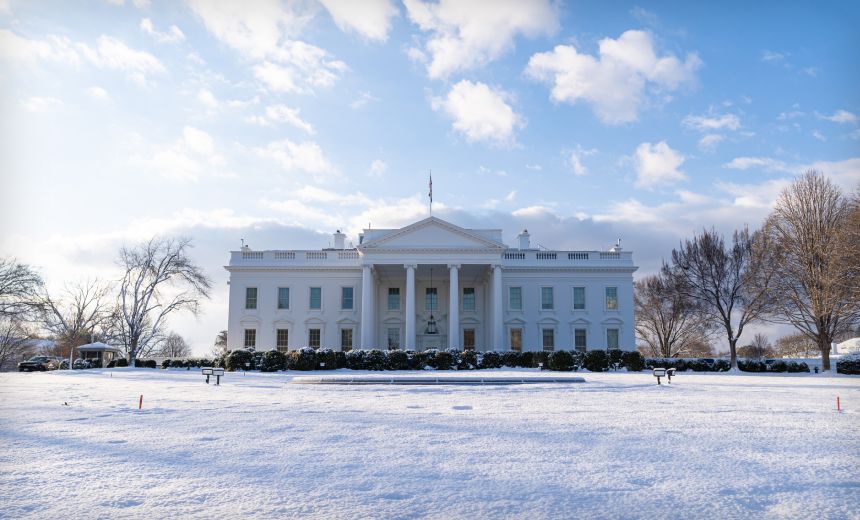
The White House has introduced a series of initiatives aimed at implementing President Donald Trump’s artificial intelligence action plan. This initiative includes new export programs, technical standards, and the establishment of a “U.S. Tech Corps,” all designed to enhance America’s position in the global AI landscape.
During the India AI Impact Summit 2026, Michael Kratsios, Director of the White House Office of Science and Technology Policy, announced these efforts. He emphasized that the U.S. would empower its allies with what he termed the “American AI stack” while opposing centralized global governance models. These initiatives are in line with the AI action plan released in July 2025, which advocates for accelerating domestic AI deployment, increasing American technology exports, and countering foreign influences on global technical standards.
This announcement marks a significant step in actualizing the broader objectives outlined in the president’s action plan, which garnered support from industry groups advocating for more flexible regulatory approaches. However, it has also raised concerns among cybersecurity experts, who warn that rapid AI expansion without proper safeguards could pose systemic risks.
At the summit, Kratsios called on partner nations to reject centralized global governance frameworks for AI. He articulated that “true AI sovereignty means leveraging the best available technology for national advantage while navigating global shifts.” He advocated for strategies grounded in American infrastructure rather than creating entirely self-reliant tech ecosystems.
A key element of this initiative is the American AI Exports Program, which aims to bundle U.S. technology, including hardware and cybersecurity controls, into modular export offerings tailored for partner countries. This program seeks to establish U.S. technology as the foundational framework for national AI initiatives in critical sectors such as healthcare, energy, and government services.
Additionally, the National Champions Initiative, led by the Commerce Department, will integrate prominent AI firms from partner nations into customized export stacks aligned with U.S. components. This aims to showcase how American platforms can bolster domestic innovation instead of undermining it.
The administration has also announced the establishment of a U.S. Tech Corps, a Peace Corps-like program that will deploy volunteer technologists to assist foreign governments in implementing AI initiatives. This corps will facilitate hands-on assistance in areas such as digital identity, fraud detection, and public health analytics.
The Treasury will introduce a new World Bank fund aimed at overcoming barriers to AI adoption, while other initiatives across various federal agencies will focus on “de-risking” American AI exports in the private sector. The National Institute of Standards and Technology has also laid out plans for the AI Agent Standards initiative, which aims to develop secure and interoperable standards for agentic AI, highlighting the importance of establishing solid security measures in the face of rapid deployment.
At the India AI Impact Summit, government representatives from Europe and Asia advocated for sovereign AI models capable of supporting multilingual processing. While European nations are investing in EU-based platforms like Mistral AI, India is making significant investments in local infrastructure for AI development. French President Emmanuel Macron noted the importance of independence in technology development, asserting that both Europe and India have chosen paths that align with their national interests.
Requests for comment from the White House regarding these initiatives have not been answered.