


Cyberwarfare / Nation-State Attacks,
Fraud Management & Cybercrime
U.S. and Israel May Have Executed ‘Largest Cyberattack in History’ Targeting Tehran
Recent actions by U.S. and Israeli forces against Iran have raised significant concerns about potential Iranian cyber retaliation. Intelligence agencies have reported early indicators of an escalating cyber counteroffensive from Iranian-linked groups, prompting organizations in allied nations to bolster their defenses.
According to Anomali, a security operations software provider, specific Iranian threat actors, including groups identified as MuddyWater, APT42, and APT33, have reportedly mobilized and are refining their tactics for a possible cyber response. The firm highlighted a noteworthy lack of activity from APT34, historically the most active espionage unit in Iran, suggesting covert preparations rather than mere inactivity.
Flashpoint, another threat intelligence firm, noted that the Handala Group has begun targeting industrial control systems in Israel and claims to have disrupted operations within the energy and manufacturing sectors. This group has also asserted responsibility for a cyber attack against Jordan’s fuel station infrastructure and has circulated claims of data breaches involving Israel’s Clalit healthcare network.
Organizations operating in critical sectors such as energy, water, and manufacturing across the Middle East are urged to promptly isolate their industrial control systems from the internet to prevent potential disruptions, advised Flashpoint. Concurrently, cyber coalitions such as the “Cyber Islamic Resistance” have initiated denial-of-service attacks aimed at military logistics providers affiliated with the U.S. and Israel, while other groups are reportedly attempting to deploy destructive malware against Western financial and energy institutions.
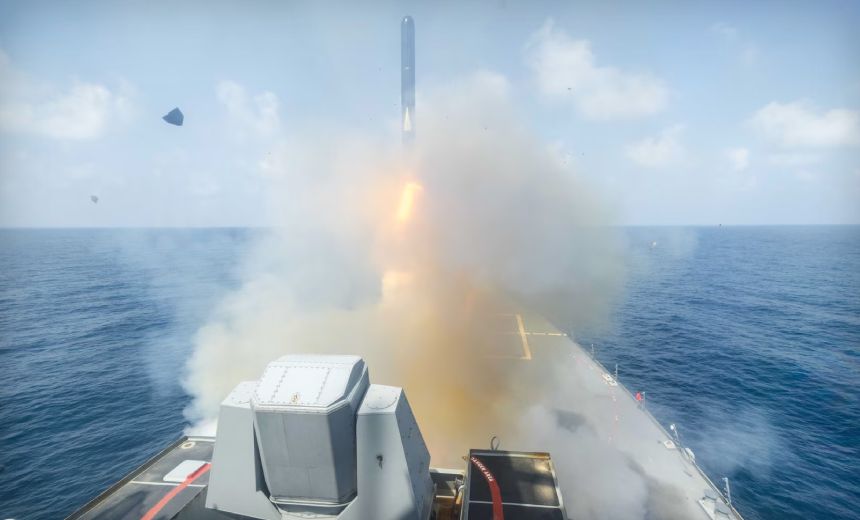
The operations against Iran, termed “Operation Roaring Lion” by Israel and “Operation Epic Fury” by the U.S., have resulted in several missiles being launched at American-allied nations, including Saudi Arabia, Qatar, and the UAE, heightening the regional security threat landscape significantly.
Pivotal to understanding the current cybersecurity landscape is the potential for retaliatory cyber operations, especially given the historical context of Iran integrating cyber tactics during geopolitical escalations. Events unfolding in the region not only threaten immediate infrastructure but could also disrupt global commerce and communication channels.
Reports suggest that the recent missile strikes may have triggered what some sources are calling the “largest cyberattack in history,” with significant dips in Iranian internet connectivity noted during missile engagements. While there are claims of Israeli strikes on Iran’s military communications infrastructure, it remains uncertain if these outages were the direct result of cyber warfare or a strategic move by Iranian authorities.
Amid ongoing chaos, the ability of Iranian threat actors to launch counterattacks remains a matter of active investigation. Despite potential disruptions to their communications networks, Anomali cautions that pre-established cyber capabilities and proxy networks may still facilitate retaliatory actions against U.S. targets. For U.S. organizations, particularly within sectors like government, infrastructure, and finance, the situation demands vigilance and preparedness.
Though Iranian cyber units might not match the notoriety of state-backed actors from Russia or China, they have achieved notable successes in penetrating Western cybersecurity systems. Recent evaluations by Microsoft indicated that APT33—affiliated with Iran’s Revolutionary Guard—successfully deployed malware targeting energy and communications sectors in both the U.S. and the UAE, emphasizing the persistent threat posed by Iranian cyber operatives.