


Trump Declares Major Combat Operations Against Iran Amid Reprisals
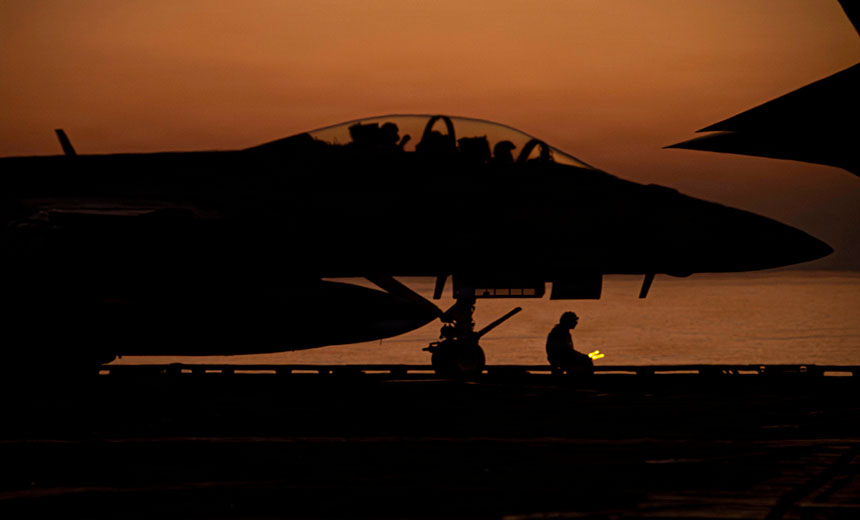
The United States and Israel have initiated military operations against Iran, marking a significant escalation in regional tensions. The joint attacks were launched in response to perceived imminent threats from Iran, particularly concerning its nuclear program.
In a televised address on Saturday, President Donald Trump announced the commencement of these “major combat operations” aimed directly at the Tehran regime, corroborated by local reports of explosions within Iran. The military action follows months of unrest and anti-regime protests that have resulted in casualties among civilians.
Trump emphasized the U.S. objective of preventing Iran from acquiring nuclear capabilities, declaring, “We will annihilate their navy and destroy their missile infrastructure.” This heavy rhetoric foreshadowed a severe military campaign that has already prompted Iran to retaliate with missile strikes targeting Israel and U.S. military bases in Bahrain and Qatar.
The unfolding conflict has prompted numerous airlines to suspend flights to key Middle Eastern destinations, heightening concerns over regional stability. Cybersecurity analysts have observed early signs of coordinated cyber responses from pro-Iranian agents targeting both Israel and the United Arab Emirates. Reports indicated that social media platform X has blocked Iranian bots, while some Iranian news agencies have been compromised.
Experts believe that this cyber dimension mirrors the operational tactics seen in recent conflicts, suggesting that both belligerents might deploy cyberattacks for reconnaissance and disruption as part of their strategies. As noted by Will Thomas, a senior threat intelligence advisor at Team Cymru, the modern battlefield requires a digital front alongside conventional military engagements.
Iran has reportedly experienced severe disruptions to internet access, with data indicating connectivity has plummeted to a mere 4% of normal levels, aligning with defensive measures reminiscent of past conflicts in the region. This near-total internet blackout serves not only as a method of internal control but also complicates external perceptions of the situation, potentially affecting diplomatic communications and intelligence collection.
As military operations continue, the broader implications for cybersecurity become crucial. The tactics employed may involve initial access techniques via coordinated cyber operations, with potential use of privilege escalation to undermine targets’ defensive capabilities. These forms of cyberattacks are critical to understanding how adversaries can amplify their operational impact through digital means.
Despite ongoing diplomatic engagements in Geneva focused on the Iranian nuclear issue, military actions suggest a departure from talks. U.S. officials claim advancements in negotiations were made, but the military response indicates significant frustrations regarding Iran’s nuclear ambitions. Analysts will be watching closely to determine how this situation evolves and the role that cyber tactics may play in shaping the conflict further.