


Cyberwarfare / Nation-State Attacks,
Fraud Management & Cybercrime
Cyber Command Engaged in Military Operations Against Caracas
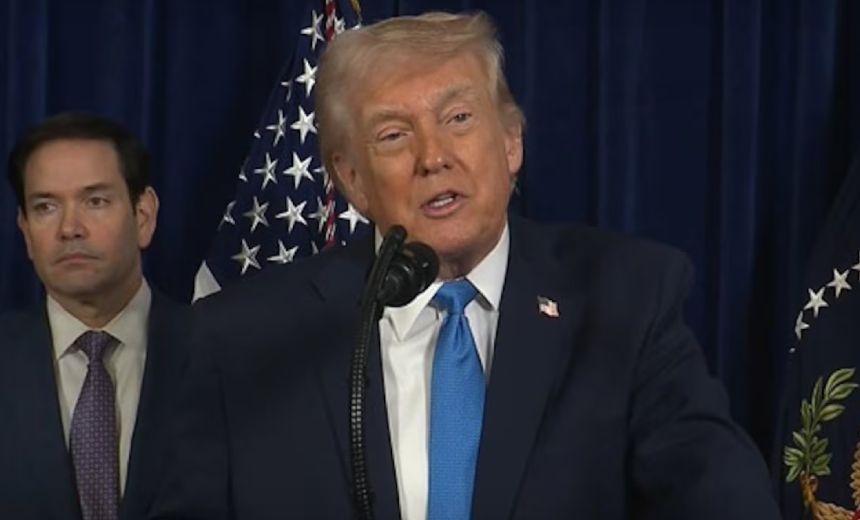
The United States executed a military strike against Venezuela on Friday night, marked by multiple detonations in Caracas. This operation involved the apprehension of Venezuela’s authoritarian president, who faces allegations of narco-terrorism. While the situation escalated rapidly, the potential implications for cybersecurity remain a point of considerable discussion.
See Also: OnDemand | North Korea’s Secret IT Army and How to Combat It
One significant uncertainty following the U.S. incursion is whether the resultant power outage in Caracas was influenced by a cyberattack. President Trump alluded to U.S. capabilities in disrupting the region’s power, stating, “Lights in Caracas were largely out due to a certain expertise that we have.” In a related briefing, U.S. Chairman of the Joint Chiefs of Staff John Daniel Caine confirmed that Cyber Command played a role in the operation, referring to their strategic approach involving multiple military branches, including Space Command.
A cyber attack coordinated with military operations targeting critical infrastructure is not unprecedented. A notable example occurred in November 2023 when a hacking incident attributed to the Russian military successfully affected Ukraine’s power grid amid missile strikes on vital installations. The cybersecurity firm Mandiant noted that this event represented a blend of kinetic and cyber strategies, although such coordination has been complex and often ineffective over time due to the intricate nature of simultaneous operations.
Nevertheless, cyber attacks can be particularly effective when the objective is sabotage, as demonstrated by a recent incident impacting Venezuela’s oil and gas sector. PDVSA, the nation’s oil company, reported suffering from a cyber attack that they classified as part of a wider American endeavor to gain control over Venezuelan oil resources “through force or piracy.” A former federal cyber official suggested this is exactly what Cyber Command was designed to undertake.
President Trump, in remarks following the military action, reiterated that the U.S. aims to administer Venezuela until a stable transition can be achieved, emphasizing that the operation would be funded through the country’s oil reserves. This announcement has fueled extensive discussions on social media, leading to misinformation and disinformation narratives, including false visual content depicting military actions that have no basis in current events.
As this complex situation unfolds, it highlights significant implications for cybersecurity, particularly in understanding adversary tactics that may have been employed during these military and cyber operations. Techniques such as initial access and privilege escalation from the MITRE ATT&CK framework could provide critical insights into the methods utilized for such state-backed cyber interventions.