


Many small teams still rely on spreadsheets to share login credentials, perceiving it as a straightforward method. However, this approach poses significant risks. A single copied link, an overlooked file, or a reused password can expose sensitive information to potential attackers.
In fact, compromised credentials remain one of the leading causes of data breaches across organizations of all sizes. Adopting sound password practices presents a more effective and sustainable solution, benefiting the team while fostering a culture of security.
The Inadequacy of Spreadsheets
Spreadsheets may seem like a convenient option for password sharing, but they carry significant risks. Once a file is sent via email or stored in a shared location, tracking access or preventing copies becomes nearly impossible. Even well-intentioned team members may inadvertently over-share links or keep files accessible on unsecured devices. This environment facilitates the accidental exposure of sensitive data and highlights the inadequacies of such methods.
Users often create identical passwords across multiple accounts as part of their team’s password sharing strategy. If one password is compromised, it can lead to a cascade of security breaches affecting everything from group email accounts to databases. Small teams frequently underestimate the rapid escalation of security threats resulting from poor password practices.
The Importance of Cybersecurity Awareness
Enhancing password practices is crucial, but knowledge about how to respond to incidents—such as a compromised Messenger account—is an essential component of digital self-defense. If unexpected messages appear in your Messenger or you encounter login issues, these symptoms could indicate a security breach. Such situations typically arise from weak credentials, phishing attempts, or malware infections.
Moonlock offers actionable guidance on managing a hacked Messenger account, focusing on identifying warning signs, logging out of all sessions, and reporting the breach. By understanding how to respond effectively, small teams can not only secure their communications but also regain control of affected accounts, strengthening their defenses against future breaches.
Cultivating Security Awareness
Implementing strong password hygiene is a straightforward and cost-effective strategy for nonprofits and small teams. Often, stolen credentials serve as an entry point for attackers, emphasizing the need for unique, robust passwords for every service used.
Fundamental cybersecurity measures include multi-factor authentication, routine password updates, and user education on recognizing and reporting phishing threats. These small steps contribute to creating a culture of shared responsibility, encouraging teams to transition away from spreadsheets toward more secure collaboration platforms.

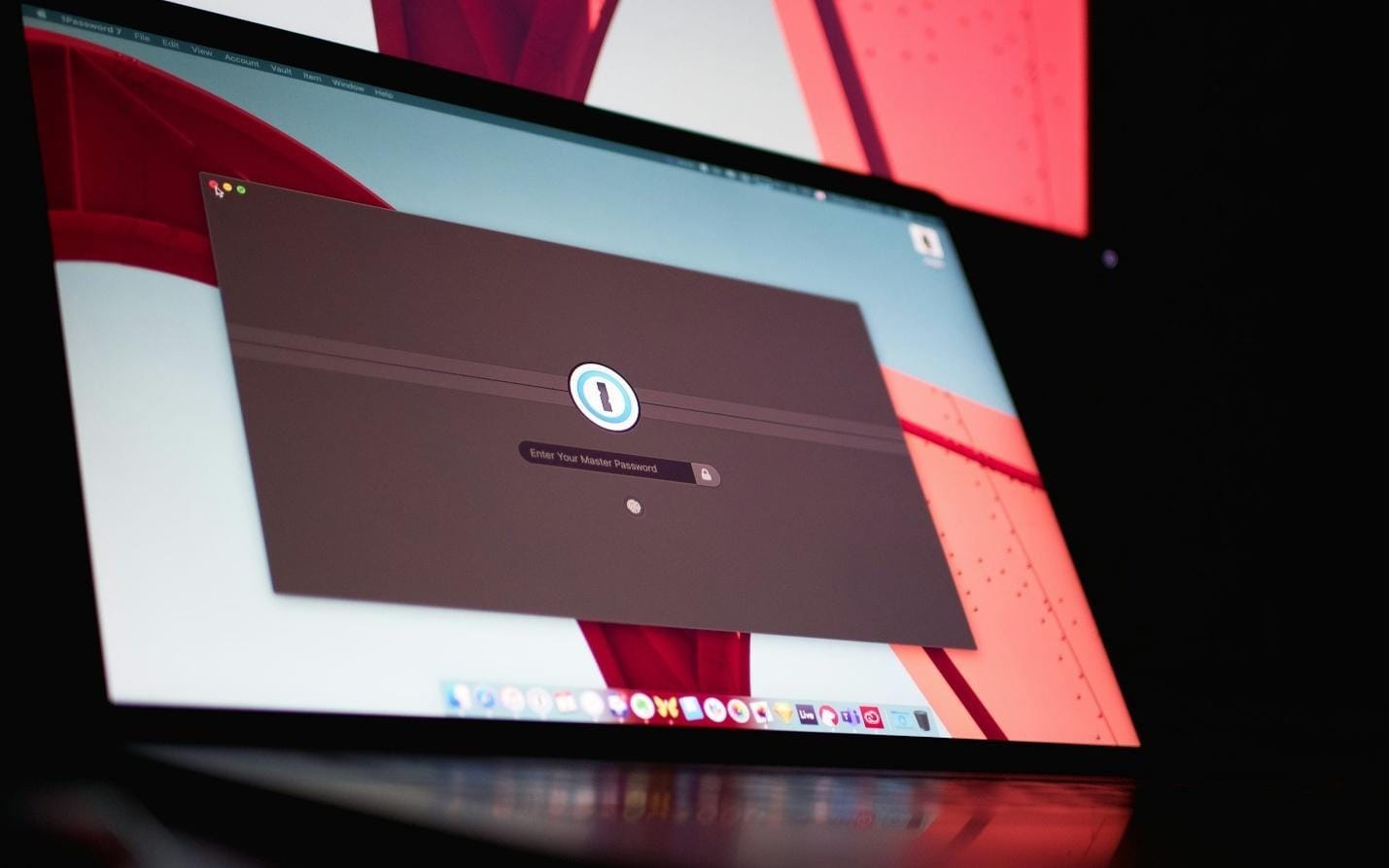
Transitioning from spreadsheets to a password manager tailored for small teams can significantly enhance security. Such tools facilitate secure password sharing, maintain access logs, and grant role-based access. They streamline updates and promptly revoke access when team members depart.
While browser-based password features may appear convenient, they are vulnerable to significant security flaws, lacking robust controls or alerts for breaches. Utilizing browsers for password storage can leave an organization exposed to both malware and local attacks.
Recognizing when to upgrade from a basic password manager to a comprehensive credential-sharing tool is critical. Teams handling multiple logins or requiring detailed access control should strongly consider this transition, particularly for compliance and auditing purposes. Ultimately, the investment typically yields substantial returns by mitigating risk and minimizing password-related incidents.
Fostering a Culture of Security
Enhancing team cybersecurity starts with strategic practices:
Integrating security into onboarding processes ensures that new hires receive training on password uniqueness, multi-factor authentication, detection of phishing attempts, and secure sharing practices. Regular refreshers and drills in response to actual phishing waves help establish a culture of vigilance.
Establishing clear ownership for credential hygiene tasks, including tool administration and periodic audits, can strengthen security measures. Tracking shared vaults and rotating sensitive credentials regularly are critical elements of effective management.
Utilizing evidence to underscore the importance of security can keep risks front-and-center at team meetings. Frequent discussions about breach trends reiterate the relevance of unique passwords and multi-factor authentication.
Regular check-ins on access lists, inactive accounts, and flagged weak passwords should be standard practice. Teams should leverage the strongest multi-factor authentication methods supported by their tools, with documented action items for discussion.
Final Thoughts
While spreadsheets may seem like a practical solution, they expose small teams to unnecessary risks. Adopting effective password management strategies creates a robust first line of defense. For many nonprofits and small teams, transitioning to a dedicated password manager simplifies credential management, enhances collaboration, and ensures efficient access revocation. By making password security a collective responsibility woven into daily operations, teams can safeguard their data and uphold their mission without complicating their processes.