


Artificial Intelligence & Machine Learning,
Next-Generation Technologies & Secure Development
Acquisition Addresses GenAI Risks, Prompt Injection Threats, and Autonomous Agent Security
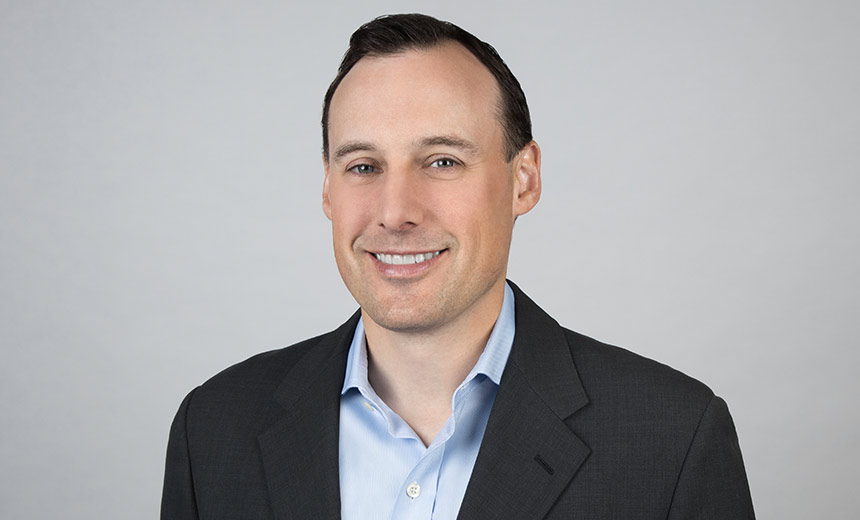
In a strategic move to enhance its AI security capabilities, Proofpoint announced its acquisition of Acuvity, an artificial intelligence security startup founded by a former Palo Alto Networks executive. This acquisition aims to bolster understanding of intent behind user prompts and AI-generated responses, addressing critical issues such as adversarial behavior and oversharing of sensitive data.
The Silicon Valley-based cybersecurity vendor expressed that this acquisition will enable organizations to effectively classify AI intent, a crucial step in combating emerging threats. Ryan Kalember, Proofpoint’s Chief Strategy Officer, highlighted that Acuvity’s solutions provide protections across various architectural control points, including browsers and endpoints.
Kalember remarked on the competitive landscape, stating, “With numerous startups attempting to address AI security challenges, we focused on identifying those with robust control points and significant differentiation in understanding intent.” He emphasized that the future of AI security heavily relies on intent-based access.
Established in 2023, Acuvity emerged from stealth mode in September 2024, securing $9 million in seed funding from Foundation Capital. The company is led by Satyam Sinha, who co-founded the microsegmentation startup Aporeto, later acquired by Palo Alto Networks for $144.1 million.
Understanding Prompt Intent
According to Kalember, a primary challenge in AI security is deciphering what a prompt aims to achieve, ensuring that responses align with both user behavior and established policy. Acuvity distinguishes itself by offering innovative monitoring capabilities that analyze prompts, responses, and agent actions rather than merely labeling them.
“Upon realizing Acuvity’s alignment with our protective mechanisms for AI usage, we became even more enthusiastic about this partnership,” Kalember noted. This partnership extends beyond current AI interactions, preparing for future scenarios where AI may operate autonomously.
Acuvity’s architecture diverges from traditional models, implementing visibility mechanisms that track endpoint-based AI usage. Kalember highlighted a significant innovation: a controlled daemon that communicates with a centralized management plane alongside autonomous agents, representing a departure from conventional security frameworks.
Testing procedures conducted by Proofpoint sought to evaluate Acuvity’s capacity to recognize when user prompts transgress acceptable limits, examining potential prompt injection attempts and adversarial instructions. Kalember was particularly impressed by Acuvity’s adaptability in a rapidly evolving threat landscape.
Deploying Controls in Proximity to Agents
Kalember noted that since agents often function within cloud environments and not merely on corporate laptops, security measures need to be integrated alongside the agents themselves. He stated that production-level agents frequently exhibit more predictable behaviors than human users, facilitating the establishment of baseline intent models.
Acuvity’s innovative solution interposes itself between prompts and responses, providing valuable insights into the interactions between users and AI models. This capability is particularly critical for regulated industries, which require comprehensive records of AI system behavior for compliance and forensic analysis.
Kalember pointed out that existing AI tools do not inherently capture this crucial data, necessitating additional infrastructure to ensure compliance and security. While Acuvity’s offerings greatly enhance AI security, they complement Proofpoint’s ongoing investments in data loss prevention and data governance, reinforcing the notion that AI security necessitates a distinctive approach separate from previous methodologies.