

Skip to content
Breach Spot
  • The Breach News
  • Check your exposure
REPORT BREACH
Breach SpotBreach Spot
  • The Breach News
  • Check your exposure
REPORT BREACH
Breach SpotBreach Spot

How to Determine if Your Gmail Password Has Been Exposed in Major Data Breaches

  • adminadmin
  • November 26, 2025
  • data-breaches
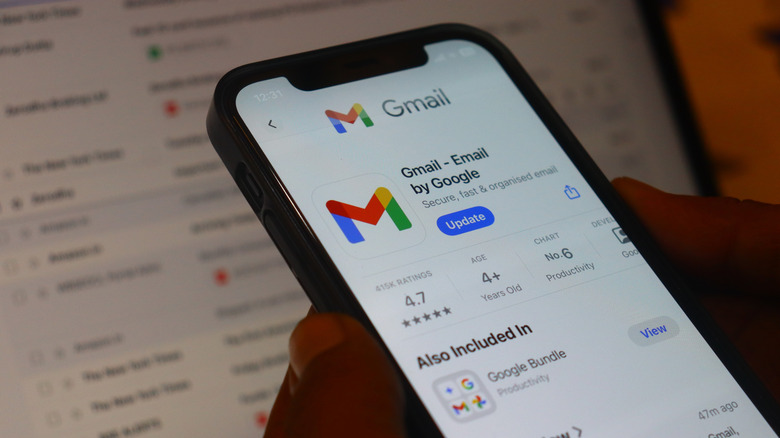
Person updating the Gmail app on their iPhone
Creative Salim/Shutterstock

Google’s suite of software has become integral to daily life, with Gmail at the forefront of this digital ecosystem. Originally launched as an April Fool’s Day prank, Gmail has evolved into one of the most widely used email services globally. Other platforms like Google Photos, Docs, Maps, YouTube, and Chrome seamlessly integrate with Gmail, emphasizing the importance of maintaining a secure Google Account. A significant portion of an individual’s digital identity is often tied to their Gmail account, heightening the stakes for cybersecurity vigilance.

The convenience of a unified Google account means that a breach of one service can jeopardize access to all linked services, presenting a potential single point of failure. As such, users must take measures to protect their Gmail credentials from unauthorized access. Despite proactive security practices, data breaches are rampant, putting users at risk of password compromise without any wrongdoing on their part. This article outlines effective methods to ascertain whether your Gmail password has been exposed during data leaks.

Using Google’s Password Checkup Tool
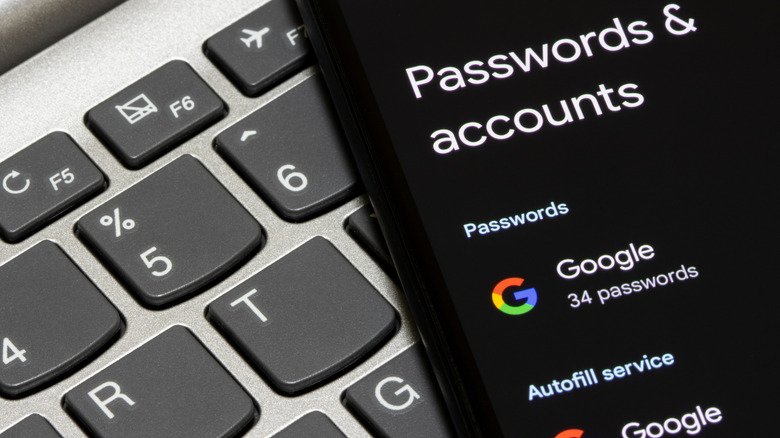
Google's passwords and accounts screen on a smartphone
Tada Images/Shutterstock

To determine if your Gmail password has been compromised, Google offers a straightforward solution through its Password Checkup tool. Navigate to the Password Checkup page and select the “Check Passwords” option, directing you to a login portal requiring your Gmail credentials for verification. Upon successful login, Google performs a rapid scan, identifying any compromised passwords linked to your account.

If any vulnerabilities are detected, a list of affected websites will appear, allowing you to pinpoint whether your Gmail credentials are at risk. To enhance security, those flagged should utilize the “Change password” option, directing you to a password reset page where you can establish a more secure password promptly. In addition, users are encouraged to implement further protective measures, such as two-factor authentication, to bolster their Gmail account security.

Third-Party Tools for Assessing Compromised Passwords

Password manager apps installed on a smartphone
Koshiro K/Shutterstock

For users managing multiple Gmail accounts, several third-party websites provide a quick means to check if passwords have been compromised. Notable options include Have I Been Pwned, Avast Hack Check, LeakCheck, ScatteredSecrets, and F-Secure Identity Theft Checker. These platforms require users to input their Gmail address and initiate a search to determine if their credentials have been exposed in data breaches.

Furthermore, password managers such as Dashlane, 1Password, Bitwarden, and NordPass often feature built-in breach detection tools. By navigating to the password breach checker within these applications, users can swiftly verify the security status of their Gmail credentials. Regardless of selected methods, immediate action is crucial upon discovering any compromised passwords to minimize the risk of unauthorized access and protect sensitive data.

Source link

Help Prevent Exploitation, Report Breaches

Help to prevent further data unauthorized access or potential exploitation. Protect others by sharing vital breach information. If you’ve discovered a new data breach

REPORT HERE
Trending now

"Fortinet" AI Android Apple artificial intelligence Artificial Intelligence & Machine Learning AT&T AWS CISA Cisco Cloudflare cloud security compliance CrowdStrike cryptocurrency Cybercrime cybersecurity data breach data breaches data privacy data security encryption ESET Facebook FBI Fraud Management GitHub Google healthcare HIPAA Kaspersky machine learning Malware Mandiant Meta Microsoft Multi-Factor Authentication OpenAI Palo Alto Networks phishing ransomware Salesforce Telegram Trend Micro Windows

Sector alert bulletin

Subscribe to your sector-specific insight newsletter to stay updated on potential data breaches and ongoing cyber-attacks targeting your industry

Stay informed and prepared against emerging security threats.

SUSCRIBE NOW

Related Posts

Leveraging Wazuh for Achieving Regulatory Compliance

Published on: Aug 18, 2025

In industries that manage sensitive data and personally identifiable information (PII), adherence to regulatory compliance standards is critical. This necessity extends to sectors such as healthcare, finance, government contracting, and education. Key compliance frameworks include:

  • Payment Card Industry Data Security Standard (PCI DSS)
  • General Data Protection Regulation (GDPR)
  • Health Insurance Portability and Accountability Act (HIPAA)
  • NIST Special Publication 800-53
  • Trust Services Criteria (TSC)
  • Cybersecurity Maturity Model Certification (CMMC)

Importance of Compliance

Meeting compliance requirements is essential for several reasons:

  • Protecting organizations from cybersecurity threats, risks, and data breaches.
  • Establishing effective organizational processes that support continuous compliance.

  • April 28, 2026

⚡ Weekly Roundup: NFC Scams, Curly COMrades, N-able Exploits, Docker Vulnerabilities & More

Aug 18, 2025
Cybersecurity / Hacking Insights

Power doesn’t vanish in a single breach; it gradually erodes through overlooked patches, misconfigured settings, and unmonitored systems. Security doesn’t fail in an instant; it declines slowly, then suddenly. Staying safe isn’t about knowing everything—it’s about taking swift, decisive action before issues accumulate. Clarity fosters control, while hesitation breeds risk. Below are this week’s key developments—each highlighting where prompt action is essential.

⚡ Threat of the Week

Ghost Tap NFC Mobile Fraud on the Rise
— A new Android Trojan, PhantomCard, has emerged as the latest malware targeting near-field communication (NFC) to execute relay attacks aimed at defrauding banking customers in Brazil. Users who inadvertently install the malicious app are guided to place their credit/debit card on the back of their phone to initiate verification, only for their card information to be transmitted to an attacker-controlled NFC relay…

  • April 28, 2026

Microsoft Windows Flaw Used to Launch PipeMagic RansomExx Malware

Cybersecurity researchers have revealed that threat actors are exploiting a now-patched vulnerability in Microsoft Windows to deploy the PipeMagic malware during RansomExx ransomware attacks. This exploitation hinges on CVE-2025-29824, a privilege escalation vulnerability affecting the Windows Common Log File System (CLFS), which Microsoft addressed in April 2025, according to a report from Kaspersky and BI.ZONE. First identified in 2022, PipeMagic has been utilized in RansomExx attacks targeting industrial sectors in Southeast Asia, functioning as a backdoor that allows remote access and execution of various commands on compromised systems. Past incidents have shown attackers exploiting CVE-2017-0144, a remote code execution vulnerability in Windows SMB, to breach victim networks. Notably, infection chains observed in October 2024 in Saudi Arabia were linked to a fraudulent OpenAI ChatGPT application.

  • April 27, 2026

Noodlophile Malware Campaign Broadens Global Scope with Targeted Copyright Phishing Tactics

Aug 18, 2025
Malware / Enterprise Security

The Noodlophile malware actors are intensifying their reach, employing spear-phishing emails and enhanced delivery techniques to target enterprises in the U.S., Europe, Baltic countries, and the Asia-Pacific (APAC) region. According to Morphisec researcher Shmuel Uzan, “The Noodlophile campaign, active for over a year, now utilizes sophisticated spear-phishing emails masquerading as copyright infringement notices, complete with reconnaissance-driven details such as specific Facebook Page IDs and company ownership information.” Previously reported by a cybersecurity vendor in May 2025, the Noodlophile campaign initially leveraged fake AI-powered tools as malware lures, which were promoted on social media platforms like Facebook. The shift to copyright infringement tactics, however, is not a new strategy.

  • April 27, 2026

Real-time data breach monitoring by scanning public databases, criminal forums, and online markets to detect exposed credentials and sensitive data.

Industries
  • Enterprise Security Teams
  • Financial Services
  • Retail and E-commerce
  • Legal Services
  • Law Enforcement
Commonly Used For
  • Penetration Testing
  • M&A Risk Research
  • Vulnerability Assessment
  • Red Team Operation
  • Enterprise Security
Contact Us

Need help or have a question?

Email: info@breachspot.com
Phone: +1 (914) 2943243

Copyright © 2026 - Breachspot, Security Breaches Spotted