


Next-Generation Technologies & Secure Development,
Observability,
Video
Founder and CEO Martin Mao Discusses AI-Driven Remediation and Data Optimization
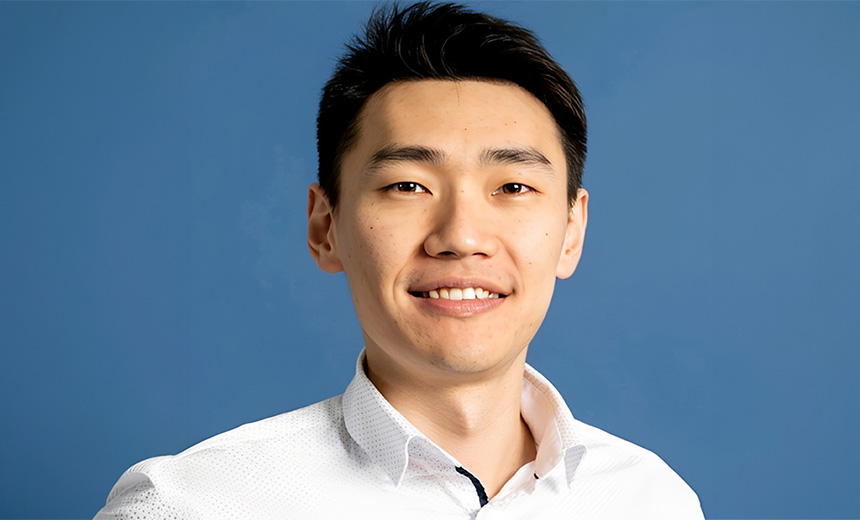
Chronosphere, an observability vendor, has announced its acquisition by Palo Alto Networks, a move that co-founder and CEO Martin Mao believes will enhance automated remediation capabilities for infrastructure and application challenges. This strategic integration aims to streamline operations and bolster the efficiency of systems monitoring.
Based in New York, Chronosphere’s telemetry pipeline boasts the ability to optimize data volumes, achieving a reduction of up to 30%. Mao emphasized that further collaboration with Palo Alto Networks’ Cortex XSIAM could unlock advanced optimizations tailored specifically for backend operations. The acquisition, valued at $3 billion, is expected to catalyze Chronosphere’s product development and broaden its market presence.
“Once we identify the root cause of an issue, we can undertake specific actions within the system to address it,” Mao stated, highlighting the potential for a comprehensive feedback loop that includes detection, historical analysis, and remediation of issues affecting end users.
In a recent interview with Information Security Media Group, Mao elaborated on several key points regarding the deal. He discussed how Chronosphere’s integration with Cortex AgentiX would facilitate artificial intelligence-driven remediation efforts. Additionally, he addressed the implications of the acquisition for achieving deeper data optimization through close backend integration and the role of generative AI in expanding observability applications involving GPUs for training and inference.
Mao, who co-founded Chronosphere in 2019, previously managed the team’s development of Uber’s open-source M3 metric stack. His leadership experience at high-profile companies like AWS, Microsoft, and Google has equipped him with extensive expertise in cloud infrastructure and large-scale systems architecture. Since the acquisition, he now leads the observability practice at Palo Alto Networks.
This convergence of security and observability marks a significant trend in the cybersecurity landscape, where businesses are increasingly seeking solutions that not only detect but also remediate threats effectively. As organizations face ambivalent risks from cyber adversaries, aligning security measures with observability capabilities will become a focal point for firms aiming to protect their digital assets.