


Government,
Industry Specific,
Regulation
White House Proposes Significant Cuts to Cyber Defense Agency’s Budget
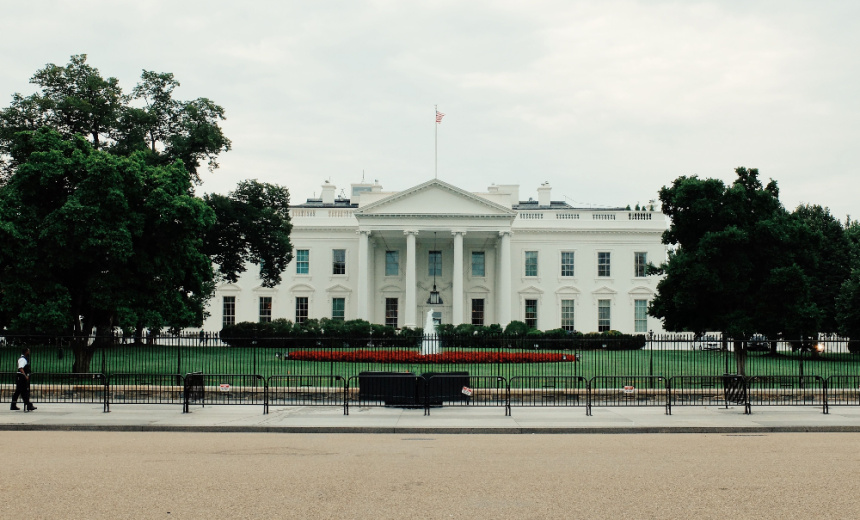
The White House has unveiled a budget proposal for fiscal year 2027 that advocates for a considerable $707 million cut to the Cybersecurity and Infrastructure Security Agency (CISA). This represents a nearly 30% reduction in funding, significantly impacting the agency’s capacity to coordinate broader cybersecurity operations in favor of a concentrated focus on critical infrastructure and federal network protection. The proposed financial cuts also coincide with sharp criticisms regarding CISA’s recent effectiveness, with administration officials stating that the agency has prioritized censorship over safeguarding vital systems.
The context of these proposed cuts arises during a tumultuous time for CISA. The agency has been under immense pressure, facing workforce reductions and operational challenges following successive government shutdowns throughout 2025. The White House has historically targeted funding for CISA, indicating concerns about ineffective management and misallocated resources that, according to the administration, jeopardize national cybersecurity efforts.
Specifics of the budget plan reveal that key operational funding would fall from approximately $2.38 billion to around $2.02 billion, with personnel compensation projected to decrease from $746 million to $607 million. These cuts will also reduce mission support and stakeholder engagement functions, areas essential for collaboration with state and local governments, private sector stakeholders, and international partners. Former CISA employees have noted that divisions likely to face significant reductions have been critical to the establishment of federal cybersecurity information-sharing initiatives since the agency’s inception in 2018.
The budget outlines a reorganization plan for the Office of Countering Weapons of Mass Destruction (CWMD), proposing to restructure it into an independent office within CISA while shifting other responsibilities across the Department of Homeland Security (DHS). Although the administration argues that the aim of these changes is to eliminate redundancy with state and local agencies, public officials and industry representatives highlight the critical role CISA plays in providing threat intelligence and incident response support.
Such strategic cuts raise significant concerns regarding the continuity of essential functions, particularly in election security, critical infrastructure coordination, and sectoral risk management that have traditionally been under CISA’s jurisdiction. As a result, questions loom about which entities may assume these responsibilities, should CISA’s role be diminished.
In analyzing the cybersecurity implications of the proposed budget cuts, it is essential to reference the MITRE ATT&CK framework, which provides insight into potential adversary tactics such as initial access, command and control, and data exfiltration that could exploit vulnerabilities created by reduced resources within CISA. With the threat landscape evolving rapidly, the effectiveness of national cybersecurity will be fundamentally tested by the potential impacts of these fiscal decisions.
CISA has yet to offer a comment on the budget proposal and its implications for operations moving forward. As the dialogue unfolds, maintaining robust cybersecurity measures will remain a top priority for both public and private sectors.