


Cybersecurity Spending,
Government,
Industry Specific
Acting Director Reports Stabilization Following Significant Staff Reductions
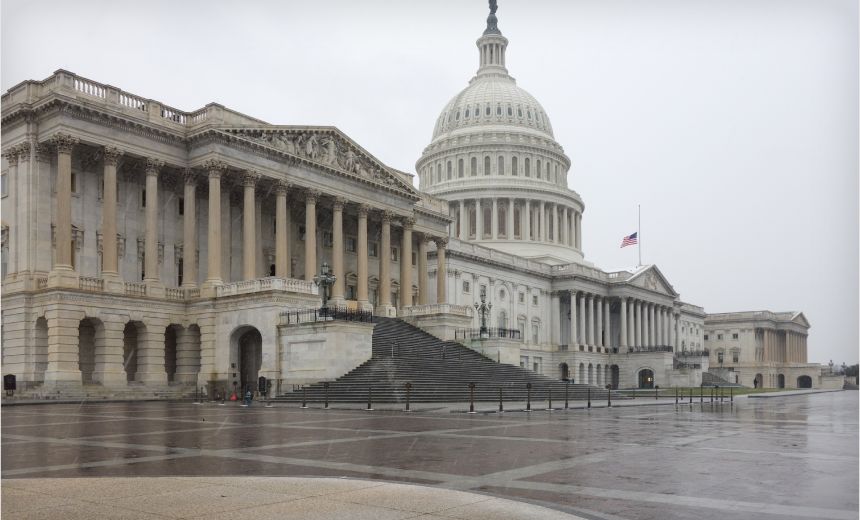
The U.S. Cybersecurity and Infrastructure Agency (CISA) is actively working to reclaim its mission after encountering significant staffing changes and funding disruptions during a challenging year. This was communicated to lawmakers by Madhu Gottumukkala, the agency’s acting director, during a session with the House Homeland Security Committee.
Gottumukkala informed the committee that CISA has regained stability following turbulent organizational shifts, declaring that no additional changes are anticipated for fiscal year 2026. Currently, CISA employs over 2,400 personnel, a number approximately 1,000 fewer than at the outset of the Trump administration. These reductions were part of broader efforts to align the agency with the administration’s agenda to downsize federal operations.
The acting director defended the approach taken by the White House, stating that the agency has made substantial efforts to “right-size and rebalance” its workforce. In response to the loss of nearly a third of its staff in the previous year, CISA plans to embark on targeted initiatives in 2026 aimed at closing critical risk gaps faced by vital infrastructures and federal networks.
While discussing the agency’s mission, Gottumukkala emphasized the importance of leveraging previous experiences to eliminate inefficiencies. He outlined a commitment to ensuring that every new service or product released by CISA aligns with the agency’s statutory responsibilities.
In this context, Republican lawmakers expressed support for a streamlined, technically focused CISA as an effective approach to achieving measurable security improvements. Committee Chair Andrew Garbarino highlighted that a disciplined mandate leads to bipartisan Congressional support and greater confidence from industry partners.
The hearing also brought to light frustrations among Democratic lawmakers regarding the absence of senior leadership from Immigration and Customs Enforcement (ICE), contending that this limitation hindered Congressional oversight of budgetary and policy shifts impacting the Department of Homeland Security.
As discussions progress regarding fiscal year 2026 funding, House Republicans are expected to pursue a separate vote on the Homeland Security spending package, a strategy that may intensify existing partisan divisions related to ICE. Reports indicate that House Minority Leader Hakeem Jeffries has expressed opposition to the proposed budget.
Congress faces a deadline of January 30 to finalize government spending measures to avoid another shutdown. The current proposed budget includes a reduction of CISA’s overall funding to approximately $2.6 billion, a decrease of nearly $268 million from the previous year. Such cuts threaten to diminish critical support for threat hunting, vulnerability management, and cyber analytics programs, even as foreign cyber threats continue to adapt and exploit systematic weaknesses.
The potential impact of these cuts raises questions about the sustainability of advancements made in cybersecurity over the past decade, which have been hard-won following significant breaches and attacks. Experts warn that losing momentum in civilian cyber operations could open vulnerable doors to adversaries intent on exploiting persistent U.S. government system weaknesses.