


Third-Party Risk Management,
Artificial Intelligence & Machine Learning,
Cyberwarfare / Nation-State Attacks
Guidance for CIOs on Evading ‘Geopolitical Lock-In’ in AI, Cloud, and Supply Chains
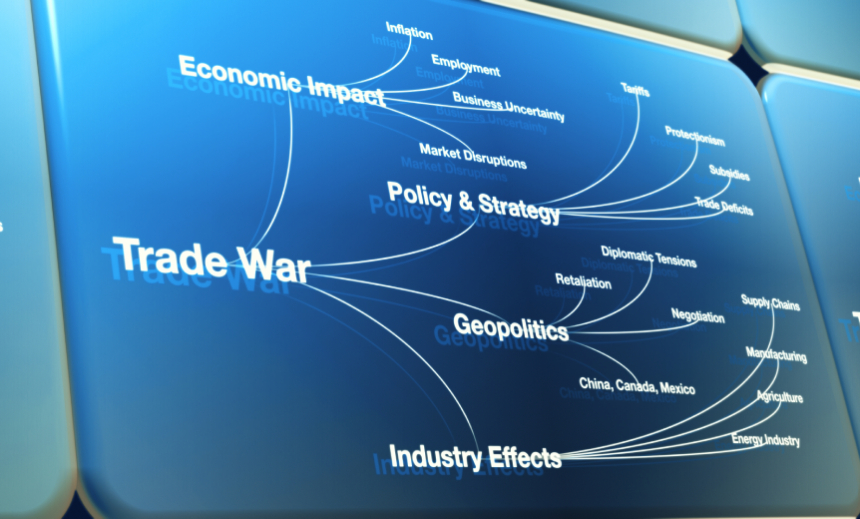
In the current geopolitical climate, significant shifts and upheavals are commonplace. Global protests can destabilize governments overnight, and nation-state actors are increasingly launching sophisticated cyberattacks. This precarious situation in 2026 presents considerable challenges for Chief Information Officers (CIOs) who depend on international supply chains to navigate IT, artificial intelligence, cloud computing, and cybersecurity strategies.
Experts indicate that the foundational assumptions of stability that once guided IT strategy are no longer valid. CIOs must adopt a more strategic and risk-aware approach as they navigate this complex landscape. Key considerations include the accelerated development of AI, concentrated cloud services, and global digital supply chains—each requiring careful planning for potential threats from international complications.
Sean Joyce, PwC U.S. global cybersecurity and privacy leader, notes that the last five years have transformed discussions around IT strategy. The focus has shifted significantly toward incorporating geopolitical risks, particularly for multinational organizations. This insight underscores the necessity for tech leaders to reassess their strategic priorities in light of international dynamics.
As AI technology continues to evolve, it brings forth not only opportunities but significantly heightened risks. JoAnn Stonier, president at The Cantellus Group, emphasizes that while regulators anticipateddeveloping frameworks to mitigate these risks, they did not foresee the broader geopolitical disruptions affecting the technology sector. This unexpected volatility necessitates that CIOs reevaluate their technology investments with a keen eye on geopolitical stability.
Crucially, CIOs must consider whether their technology vendors and platforms can withstand political upheaval, trade sanctions, or government mandates. William Dixon, a senior associate fellow at the Royal United Services Institute, stresses that “geopolitical risk is no longer a peripheral concern. It has become a fundamental pillar of the investment business case.” He warns that the risk lies not with the technologies themselves but with the possibility that key technology providers could be sidelined due to changing geopolitical climates.
Recent incidents, such as the temporary bans of Grok, a chatbot developed by Elon Musk’s xAI, underscore the pressing reality of geopolitical risks. Following issues with non-consensual content, various governments—including Indonesia and Malaysia—have temporarily restricted access to the platform, while others like the U.K. and France are considering similar actions. Such developments raise critical questions for organizations regarding their technology partnerships.
Investment strategies must therefore prioritize agility and flexibility, ensuring that organizations can adapt to shifts in technology ecosystems and avoid becoming vulnerable to geopolitical tensions. CIOs are also warned to remain vigilant about the emerging dichotomy between Western and Eastern technology ecosystems, particularly in the context of AI and cloud services, as increasing competition for technological dominance continues to evolve.
As awareness of data sovereignty laws and regional regulations grows, the expectations for data architecture and governance are shifting. CIOs will need to explore whether current infrastructures are at risk of geopolitical compromise, necessitating contingency plans for the worst-case scenarios—should their cloud providers become untenable overnight. The ongoing need for vendor diversity and adopting hybrid solutions is a strategic imperative that cannot be overlooked.
To mitigate these multifaceted risks, organizations are urged to closely audit their technology stacks for potential vulnerabilities associated with geopolitical factors. Addressing these issues now will be foundational for securing business operations in an increasingly unstable world.