


Critical Infrastructure Security,
Cyberwarfare / Nation-State Attacks,
Fraud Management & Cybercrime
Finnish Authorities Detain Cargo Vessel Linked to Undersea Cable Damage
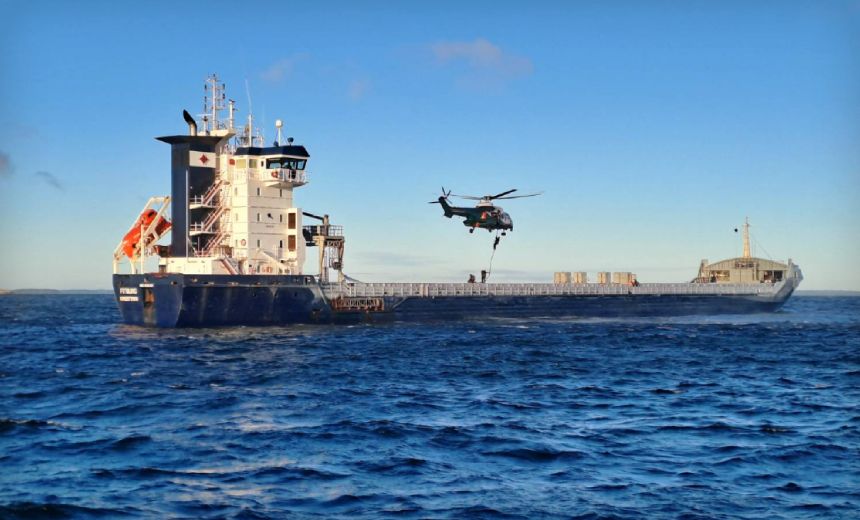
On December 31, 2025, Finnish authorities seized a cargo ship en route from Russia, suspected of damaging an undersea telecommunications cable that links Helsinki to Estonia. This incident adds to a growing list of alleged Russian sabotage activities in the Baltic Sea region.
Elisa, a leading Finnish telecommunications provider, confirmed that the cable damage did not impact service, despite the ongoing investigation. With 2.8 million customers—including various governmental entities in Finland and Estonia—any disruption could have far-reaching consequences.
The vessel in question, identified as Fitburg, was found with its anchor deployed within Estonia’s economic zone. The Finnish Border Guard stated that control of the ship was assumed during a collaborative operation, with investigative oversight now residing with the Helsinki Police Department.
The Fitburg was carrying a crew of 14 individuals from several nationalities, including Russian and Georgian nationals, and is registered in the Caribbean. Authorities are probing the case under potential charges of aggravated criminal damage and interference with telecommunications.
Estonian President Alar Karis highlighted the significance of this investigation, tweeting his hope that this incident was not deliberate, further stressing that clarity is needed. This event marks another chapter in a troubling trend of undersea cable incidents exacerbated since the Russian invasion of Ukraine, with reports indicating that roughly ten subsea cables in the Baltic Sea have been compromised since 2022.
In a related context, the Finnish government previously seized the Emirates-registered Eagle S, implicated in suspicions surrounding sabotage of the EstLink 2 telecommunications link. The Helsinki District Court ruled in October that the Finnish Criminal Code could not be enacted due to limitations imposed by international maritime law, a decision now under appeal.
This recent incident amplifies European concerns regarding Russian tactics that encompass sabotage, cyberattacks, and misinformation aimed at destabilizing national securities without provoking direct military responses. During a speech in October, European Commission President Ursula von der Leyen articulated the need for an evolved defensive posture against such hybrid warfare, emphasizing the need for fresh strategies to safeguard territories and populace effectively.
In light of these escalating tensions, U.S. lawmakers have also taken steps to bolster defenses against the potential threats posed by both Russian and Chinese state actors, aiming to enhance the security of critical undersea infrastructures like telecommunications cables.