


Cloud Security,
Security Operations,
Video
AI Adoption Elevating Hypervisors as Targets, According to Google Cloud’s Jamie Collier
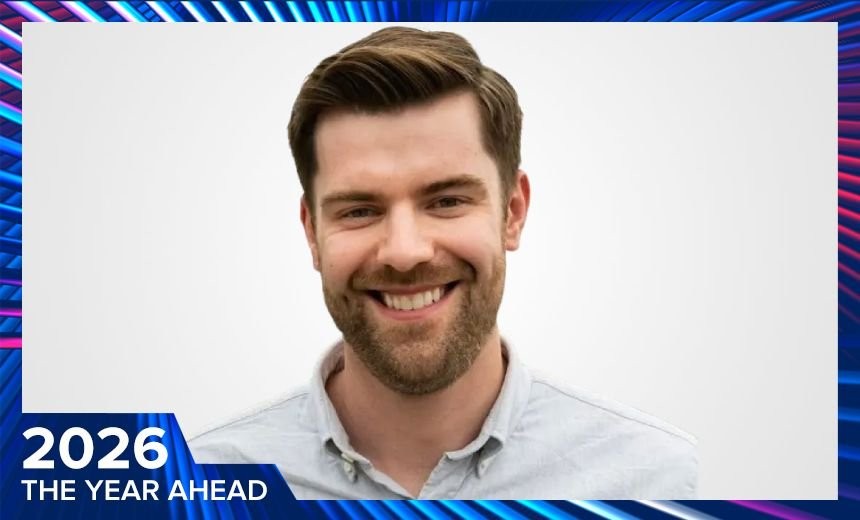
Recent insights from Jamie Collier, Google Cloud’s lead threat intelligence advisor for the EMEA region, reveal a notable uptick in cyberattacks targeting hypervisors and virtualized environments. This increase correlates with a broader reliance on cloud services, containers, and AI-integrated systems by organizations.
A significant point made by Collier is that hypervisors represent appealing targets for cybercriminals. They often lack robust external security measures, utilize outdated software, and maintain close ties with identity platforms, such as Active Directory. This interconnectedness amplifies vulnerabilities and presents high-impact opportunities for attackers.
Collier cautions that a compromise at the hypervisor level can lead to expansive risks throughout the organization. The potential fallout not only exposes vulnerabilities within the system but also offers substantial rewards for malicious actors. “We predict a marked increase in targeting in the coming year,” Collier stated.
Additionally, the rising use of AI agents—which often operate with elevated privileges—further enlarges the attack surface, according to Collier. This trend raises concerns regarding how adversaries may exploit such weaknesses.
During a video interview with Information Security Media Group, Collier shared insights on several critical security topics, including Google’s 2026 cloud security predictions, specific risks associated with hypervisors, and the benefits and drawbacks of integrating AI into security frameworks.
Collier’s expertise is backed by a potent background, having previously led cyber threat intelligence initiatives at Digital Shadows, and he currently contributes as an associate fellow at the Royal United Services Institute. His mission focuses on empowering organizations in the EMEA region to navigate evolving threat landscapes and enhance their threat intelligence capabilities.