


Agentic AI,
Artificial Intelligence & Machine Learning,
Next-Generation Technologies & Secure Development
AI Firm Investigates New Classification of Prompt Injection Attacks
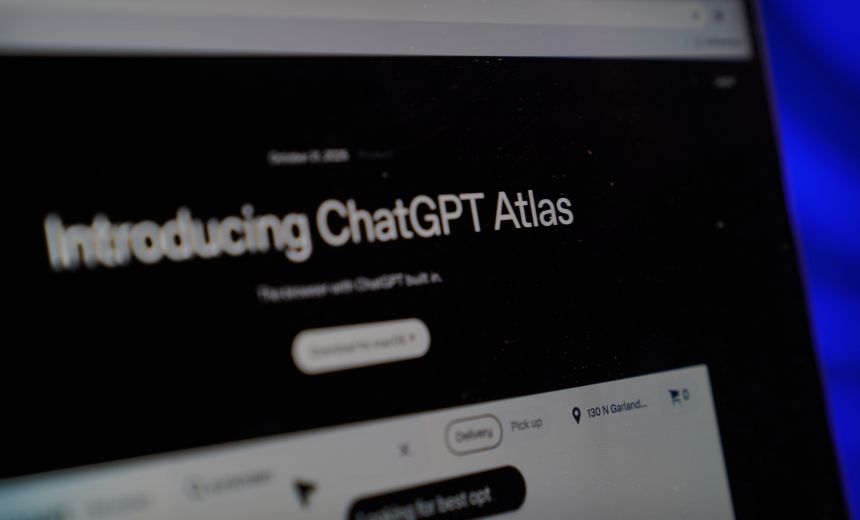
OpenAI is embarking on a long-term initiative to fortify its ChatGPT Atlas against prompt injection attacks—an evolving cybersecurity threat that necessitates ongoing defensive enhancements akin to the arms race seen in combating online fraud. This endeavor highlights the complexities associated with securing AI-driven platforms.
Following an internal evaluation using automated red-teaming techniques, OpenAI released a security update aimed at addressing this newly identified class of prompt injection attacks. These attacks involve injecting malicious commands that manipulate AI agents into executing unintended actions, representing a unique risk distinct from traditional web vulnerabilities.
The broad attack surface heightens this risk, as AI agents may encounter untrustworthy instructions across various platforms, including emails, shared documents, and social media. Such vulnerabilities enable attackers to exploit the agent’s capabilities, resulting in potentially damaging actions like sending sensitive emails or modifying cloud-based files.
To uncover these prompt injection techniques, OpenAI has developed an automated attack system that employs reinforcement learning. This system learns from both successes and failures, generating various injection scenarios and testing their effectiveness within a simulated environment. This iterative process allows attackers to refine their methods, leading to more sophisticated intrusion techniques.
Among the findings, OpenAI identified a new type of attack characterized by the capability to guide AI agents through multi-step processes, significantly complicating detection and mitigation efforts. For instance, in one scenario, an automated attacker manipulated a user’s inbox to send a resignation email to an executive by embedding malicious prompts within seemingly innocuous communications.
OpenAI categorizes prompt injection as a persistent security challenge, one that will require continuous attention. They liken it to ongoing issues with scams and social engineering—acknowledging that it may never be fully resolved.
The agent functionality in ChatGPT Atlas allows for a high degree of interaction with user browsers, making it a prime target for adversarial threats as it takes on more tasks. Recent security updates incorporate an adversarially trained model aimed at enhancing defensive measures against potential attacks.
OpenAI is not navigating this challenge in isolation; the U.K. National Cyber Security Centre has also cautioned about the inherent risks associated with prompt injection attacks against generative AI applications. Their guidance emphasizes the importance of risk reduction strategies rather than a futile attempt to eliminate these threats entirely.