


Attack Surface Management,
Cloud Security,
Security Operations
Startup Focuses on Secure Software Infrastructure Using AI to Protect Containers and VMs
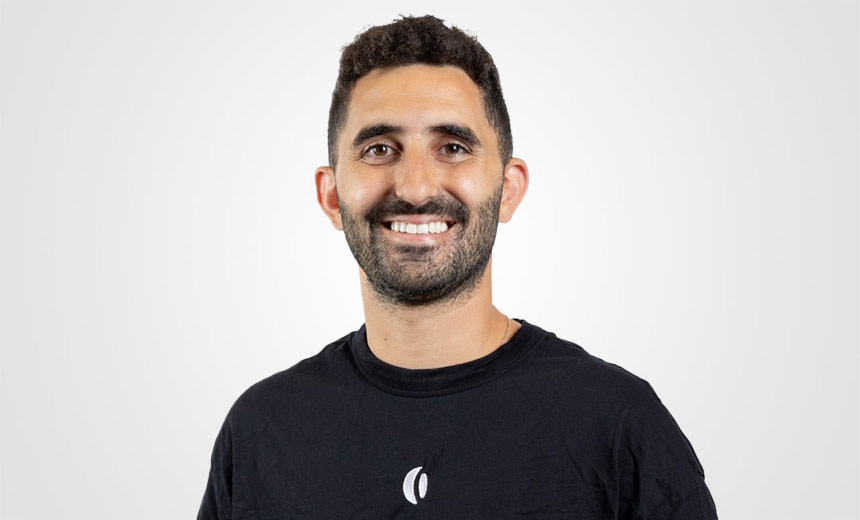
Echo, a startup specializing in secure software infrastructure and helmed by a former CEO of Argon Security, has successfully raised $35 million to establish a secure-by-design foundation for cloud computing. This funding, part of an N47-led Series A round, will enable the New York-based company to advance from delivering vulnerability-free container images to broader support for virtual machines and open-source libraries.
Co-founder and CEO Eilon Elhadad emphasized the company’s proactive approach to security, stating that Echo aims to eliminate vulnerabilities at the source rather than patch them post-deployment. “Currently, we provide a secure container OS, but we plan to expand our services to include all cloud resources,” he mentioned in an interview with Information Security Media Group.
Founded in 2025, Echo employs 37 team members and has raised a total of $50 million, including a $15 million seed round in July from Notable Capital and Hyperwise Ventures. Elhadad, who previously founded Argon and sold it to Aqua Security for nearly $100 million, reflects a robust background in software supply chain security.
Expanding Echo’s Product Offerings
The recent funding will primarily enhance Echo’s engineering capabilities and broaden its product platform beyond container support. Elhadad noted that N47 was selected as a lead investor due to shared values and long-term vision alignment. The company aims to respond swiftly to increasing market demand and the necessity for secure cloud solutions.
Open-source container images often harbor numerous known vulnerabilities, leading enterprises to spend significantly on vulnerability management. Elhadad asserts that many organizations deploy resource-intensive processes for scanning and addressing these risks. “Just as enterprise Linux evolved with Red Hat, we are innovating in the container space,” he stated.
Echo’s container operating system is constructed from source code, promoting a vulnerability-free environment that avoids the necessity of retroactive scanning and patching. The company strives to introduce AI-driven solutions that foster a secure environment for cloud applications, focusing primarily on container security.
Navigating the Complexity of Virtual Machines
Unlike containers, where the customer does not manage the host operating system, virtual machines necessitate additional complexity due to host security requirements. Elhadad remarked that this distinction results in differing infrastructure needs compared to containers. Similarly, open-source libraries integrated into applications often introduce obscure vulnerabilities that aren’t always detected by standard scanning tools.
In response to newly identified vulnerabilities, Echo’s system initiates an AI-driven pipeline that identifies affected images, conducts necessary research, applies patches, and facilitates compatibility testing before the changes undergo human review. This efficient method allows Echo to scale remediation efforts significantly without the need for large engineering teams.
Echo’s operating system is designed to be fully compatible with both Debian and Ubuntu, enabling enterprises to migrate their workloads seamlessly without rewriting existing systems. Elhadad emphasized that the transition to Echo’s solution is straightforward, contrasting sharply with custom operating systems that may necessitate substantial time and effort to implement.