


Artificial Intelligence & Machine Learning,
Healthcare,
Industry Specific
Strategic Initiative Aims to Modernize Workflow, Enhance AI Utilization, and Strengthen Cybersecurity Across Agencies
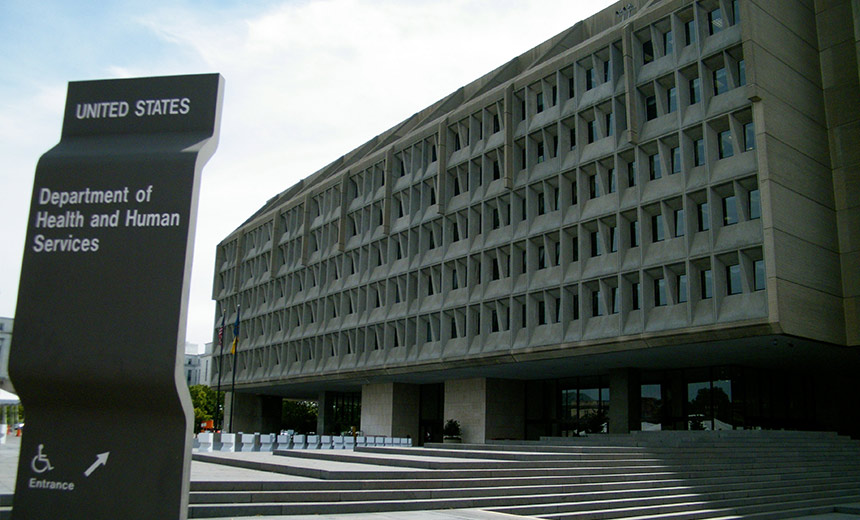
The U.S. Department of Health and Human Services (HHS) has released the initial version of a strategic plan focused on integrating artificial intelligence (AI) throughout its various divisions and agencies. This initiative is designed to enhance collaboration, streamline workflows, and improve operational efficiencies.
According to HHS, the primary focus of this strategy is to better internal operations, yet it sets a long-term goal of engaging with private sector partners to co-create innovative AI solutions. Officials emphasize a “OneHHS” approach that integrates all health agencies, including the Centers for Disease Control and Prevention (CDC) and the Food and Drug Administration (FDA), aiming for a cohesive AI infrastructure that enhances cybersecurity.
Clark Minor, HHS Chief Information Officer and acting Chief AI Officer, stated that the establishment of AI-enabling infrastructure will streamline processes and reduce inefficiencies across the board. He also highlighted the necessity of ongoing workforce training to embrace AI technologies at all levels.
This initiative arrives in the aftermath of significant restructuring within HHS, which saw a reduction of personnel by approximately 20,000 as part of a broader effort led by Secretary Robert F. Kennedy Jr. The departmental downsizing aims to refine operational efficiency, with the current workforce comprising around 62,000 employees. The strategic plan noted 271 active or planned AI projects for fiscal year 2024, with projections indicating a 70% increase in new applications by fiscal year 2025.
The HHS decision to deploy widely-used AI tools like ChatGPT demonstrates a proactive stance, aiming to lead federal AI initiatives. Deputy Secretary Jim O’Neill articulated that this is just the beginning of an expansive AI rollout, positioning the department at the forefront of federal AI integration.
Core Elements of the Strategy
The HHS AI strategy is anchored by five foundational pillars designed to utilize AI effectively across the department. These pillars focus on governance and risk management to maintain public trust, infrastructure design tailored for user needs, workforce development to enhance efficiency, support for rigorous scientific research, and modernization of healthcare delivery aimed at improving both population and individual health outcomes.
To facilitate this strategic direction, HHS has formed an AI governance board with senior leaders from various divisions. This board will convene biannually and will meet more often as needed to address IT policy, cybersecurity, data governance, and procurement issues.
This AI strategy aligns with a broader executive order issued by President Donald Trump, intending to establish a comprehensive action plan for AI across federal agencies. The ongoing development of this strategic vision reinforces the importance of keeping the U.S. at the forefront of global AI advancements.
As HHS continues to refine its AI strategy, the potential implications for cybersecurity are significant. Analysts suggest that adversary tactics such as initial access, persistence, and privilege escalation, as outlined in the MITRE ATT&CK framework, could play a role in understanding how these technologies might be leveraged in cybersecurity contexts.