


Agentic AI,
Artificial Intelligence & Machine Learning,
Next-Generation Technologies & Secure Development
Attackers Could Exploit Tampered Configuration Files on Developer Machines
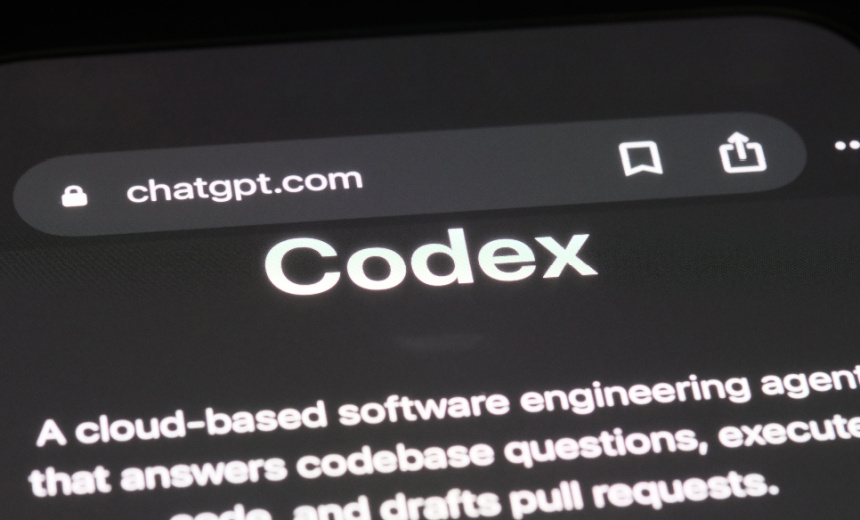
OpenAI has addressed a significant command-injection vulnerability in its Codex Command Line Interface (CLI), which previously allowed attackers to execute arbitrary commands on developer machines via disguised malicious configuration files in code repositories. This development raises serious concerns for cybersecurity measures in software development environments.
According to cybersecurity firm Check Point, this flaw was reported to OpenAI on August 7 and subsequently patched in Codex CLI version 0.23.0, released on August 20. The vulnerability stemmed from how Codex CLI managed project configurations, inadvertently turning standard developer activities into potential attack vectors.
The Codex CLI tool employs AI to facilitate software development, enabling developers to read, modify, and execute code using natural language commands directly from the terminal. It enhances functionality through the model context protocol, allowing integration of external services and customized workflows.
The vulnerability specifically arose from Codex CLI’s automatic loading and execution of Multi-Cloud Project (MCP) server entries from local configuration files whenever developers executed commands within a repository. If these configuration files redirected Codex’s settings to a malicious directory, Codex could run those commands upon startup without any user consent or verification.
Diana Kelley, Chief Information Security Officer at Noma Security, emphasized that this vulnerability represents a concerning trend in AI-assisted development environments, where tools act more like autonomous agents rather than passive assistive technologies. The implicit trust that Codex places in configuration files allows attackers to leverage malicious entries hidden within them, thereby compromising entire projects.
The nature of this flaw, which effectively transformed innocuous configuration files into execution avenues for attackers, raises critical security issues. If an attacker gains access to commit or merge capabilities, they could embed harmful commands that execute immediately whenever developers clone the affected repository and interact with Codex.
This sophistication level required for the attack is minimal. A user with write access could initiate harmful actions simply by modifying configuration files, leading to the immediate execution of malicious commands. This could expose sensitive resources like cloud credentials, SSH keys, and source code stored on the machines of developers.
As AI technologies are increasingly integrated into development environments, vendors face the ongoing challenge of balancing seamless user experiences with robust security measures. The implications of the Codex CLI flaw resonate beyond individual projects, extending to potential supply chain attacks if contaminated repositories propagate vulnerabilities across downstream systems.
These factors collectively highlight a pressing need for heightened scrutiny regarding the security configurations of AI-driven tools. Recognizing these vulnerabilities within the framework of the MITRE ATT&CK Matrix, techniques such as initial access and persistence are particularly relevant for understanding the potential execution strategies utilized by adversaries in such attacks.