


Data Governance,
Data Security
Series B Funding Bolsters AI Agent Security Across Diverse SaaS Platforms
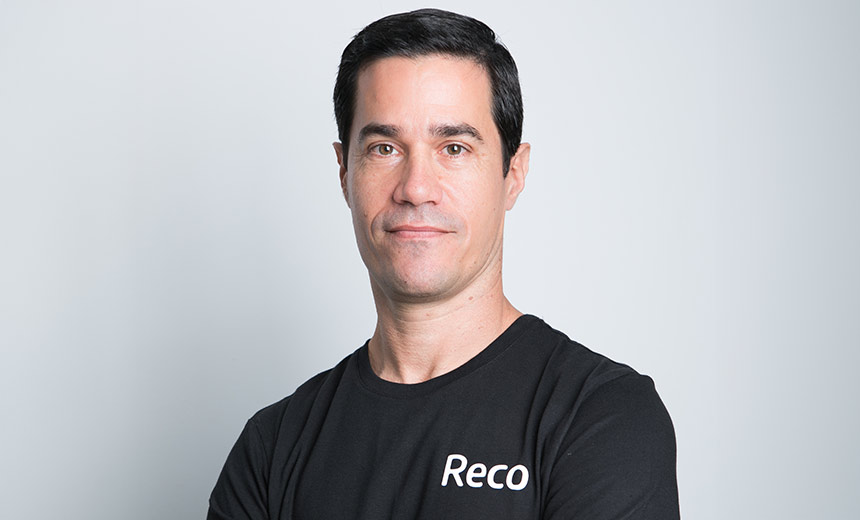
A New York-based startup, led by the former CEO of IoT platform Kwik, has successfully raised $30 million to enhance visibility, governance, and security across SaaS applications and AI agents. This funding, part of a Series B round led by Zeev Ventures, aims to address the emerging challenges posed by the increasing integration of AI in enterprise environments.
Related Article: Shadow AI Creates Data Security Blind Spots at Scale
CEO Ofer Klein noted that the investment will enable Reco to secure not only major AI solutions like Copilot and ChatGPT but also the vast SaaS ecosystem which includes numerous niche applications and AI agents. Their platform can connect with a multitude of SaaS applications, correlating identity, data, and agent actions, thereby potentially reducing the workload of security teams by as much as 80%.
Klein emphasized, “AI is becoming inherently embedded in every enterprise. We are providing the necessary visibility, governance, and security for both AI applications and agents.” With the recent funding, Reco aims to scale its operations to meet increasing demands from top-tier organizations, including those within Fortune 10 and Fortune 500.
The firm, founded in 2020, has grown its team to 137 employees and raised a total of $85 million, following a previous Series A funding round of $25 million in April 2025. Klein’s extensive experience includes nearly eight years of leadership at kwik.me and a significant tenure at Elbit Systems.
The Governance Challenge Posed by Shadow AI Agents
The widespread adoption of AI in enterprises is no longer experimental; it has transitioned into a mainstream practice, presenting new challenges in security and governance. Klein pointed out that the growing adoption necessitates rapid scaling of sales, support, and product capabilities beyond organic growth limits.
“We experienced an oversubscription of 2.5 times from various investors, indicating a strong belief in our vision,” Klein stated. “We carefully raised the funds necessary to accelerate growth without overextending our needs at this moment.”
Many organizations are unknowingly managing environments with thousands of SaaS applications and tens of thousands of AI agents, resulting in a governance gap that extends beyond merely generative AI tools to include standard SaaS applications with AI capabilities.
Klein described the “Oh wow” moment many organizations experience when they first understand the full scope of their operational environment. “As a CISO, managing thousands of applications and AI agents is crucial; blocking access is no longer an option,” he explained.
Reco’s Knowledge Graph integrates identities, data, applications, agents, locations, and access pathways into a cohesive model that aids in understanding risk more effectively. Rather than relying on analysts to piece together events from disparate sources, the platform correlates activities into a coherent narrative, allowing for automated remediation recommendations.
Increased Risks from Smaller, Less Mature SaaS Applications
Klein noted a growing trend of attackers targeting smaller, less mature SaaS applications that are poorly secured but intricately linked to essential systems. This vulnerability can serve as a backdoor to sensitive data and critical workflows as AI agents are progressively adopted across various operational sectors.
“Without addressing these long-tail applications strategically, organizations risk breaches,” Klein stated. “Attackers are not only focusing on major platforms, which typically have robust security; they are increasingly exploiting weaknesses in lesser-known applications.”
Unlike traditional systems with well-defined processes, AI agents operate with a level of autonomy that can lead to unpredictable activity paths. Reco’s methodology addresses this unpredictability by focusing on the interrelationships and permissions rather than treating incidents in isolation, thereby assisting organizations in managing associated risks more effectively.
The overarching challenge, according to Klein, is transitioning from a mentality of blocking access to enabling business growth. “Our solution allows organizations to adapt and thrive in the era of AI,” he concluded, highlighting the importance of proactive risk management in today’s tech-driven landscape.
By converting raw data into actionable insights and correlating events effectively, Reco aims to streamline the investigative processes involved in incident management. This increases efficiency, allowing professionals to concentrate on decision-making rather than on the tedious task of assembling data from various sources.